We accept
Medicare Advantage plans to fit your dental needs.
Medicare Advantage plans to fit your dental needs.

Does taking a sip of coffee or eating ice cream make you wince occasionally? If you find yourself frequently avoiding many of your favorite hot and cold foods and drinks, you're likely suffering from sensitive teeth.
The pain from sensitive teeth can range from a mild twinge to severe discomfort that lasts for several hours. Many people describe sensitive teeth pain as a sharp, sudden pain that shoots deep into the affected tooth. Hot and cold foods and drinks are common triggers for sensitive tooth pain, although there are many other potential triggers, including breathing in cold air, and drinking or eating anything acidic, sweet, or sour.
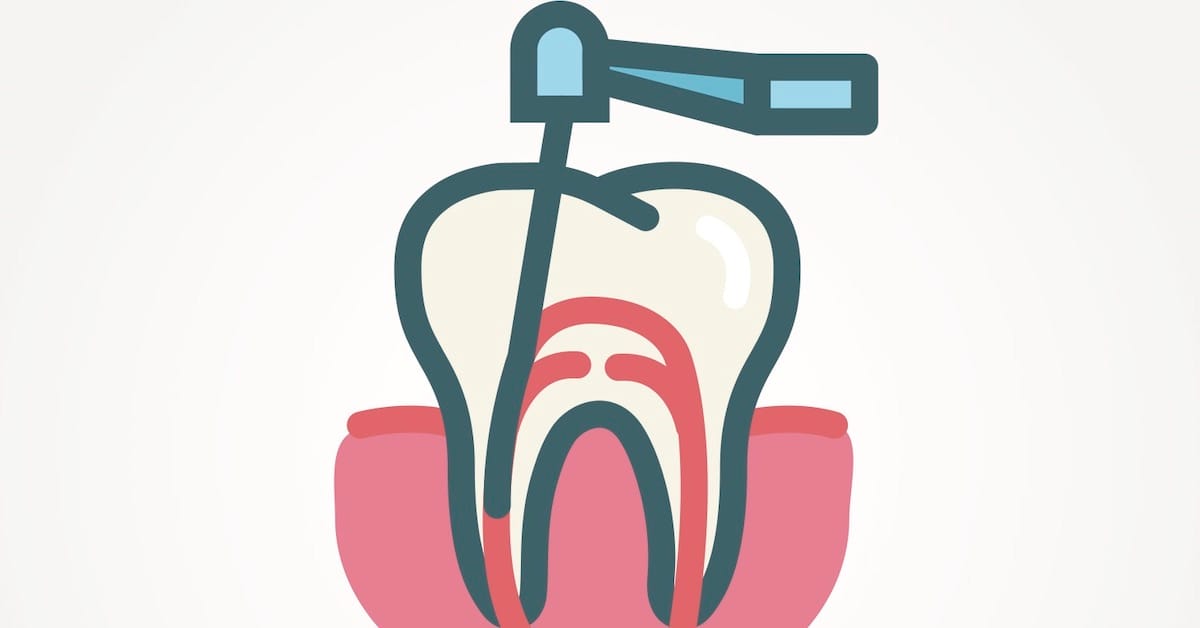
Sensitive teeth develop when the protective layers of your teeth start to wear away. The part of your teeth that visible above the gum line is called the crown, and they're covered with a strong, protective layer called enamel. Tooth roots are found below the gum line, and these are protected by hard connective tissue called cementum. Dentin is the layer that's found underneath the enamel and cementum, and it contains tiny canals that lead to the nerves and cells deep inside of teeth.
Dentin becomes exposed when the enamel or cementum wears away. When this occurs, the canals allow hot, cold, or acidic foods and drinks to stimulate the nerves in your teeth, creating sensitivity and pain.
Several factors can cause enamel erosion, which can lead to tooth sensitivity and discomfort. Take a look at the nine most common issues that cause tooth sensitivity:
Although tooth sensitivity is common, it's an issue that requires the evaluation of an experienced dentist. Schedule an appointment with a dentist in Gilbert at the first sign of tooth sensitivity.
Tooth sensitivity is treatable, but successful treatment depends on visiting your dentist for an examination of your teeth. There are a variety of treatments for sensitive teeth, and your dentist will develop a treatment plan that best suits your needs. These are some of the treatments your dentist might recommend:
Ensuring that you practice good oral hygiene at home is the best way to prevent sensitive teeth. Brush at least twice a day and floss daily. Schedule dental cleanings and exams twice a year at your dentist's office. Follow these tips to reduce your risk of sensitive teeth:
Schedule an appointment with your dentist today to learn how to reduce tooth sensitivity.