We accept
Medicare Advantage plans to fit your dental needs.
Medicare Advantage plans to fit your dental needs.

Many people feel anxiety and even fear upon hearing that they need a root canal. After all, most of us have heard horror stories about root canals causing severe pain or leading to a lengthy recovery time. Thanks to modern dentistry, root canal treatment is virtually painless, and the recovery time only takes a few days.
The most pain you'll feel from a root canal is actually the intense pain caused by having an infected tooth. Since the dentist administers local anesthesia before the procedure, you'll only experience minor discomfort for a day or two after the procedure. Keep reading to find out the truth about root canal therapy, which can help diminish any concerns you have about the procedure.
A root canal is a procedure that can save your tooth if it's infected or has advanced decay. This can happen when the tooth's dental pulp, sometimes called the "nerve," becomes exposed to bacteria. If a tooth has a crack, chip, or endures a traumatic injury, bacteria can enter the affected tooth, leading to an infection that causes severe pain. In many cases, a root canal is usually the only treatment available to salvage the affected tooth, and if you delay treatment, the tooth may need to be extracted.
If you need a root canal, it's usually due to an underlying problem that worsens over time due to lack of treatment. If you're not sure what signs to look for, contact your dentist if you develop any of these symptoms:
It's best to make an appointment as soon as you notice any of these symptoms, which gives you the best chance of preserving your tooth.
If your dentist suggests root canal treatment, it's normal to have questions about the procedure. Many people wonder about pain management during the procedure or have questions about the length of the recovery period. Consider asking your dentist these questions during your appointment:
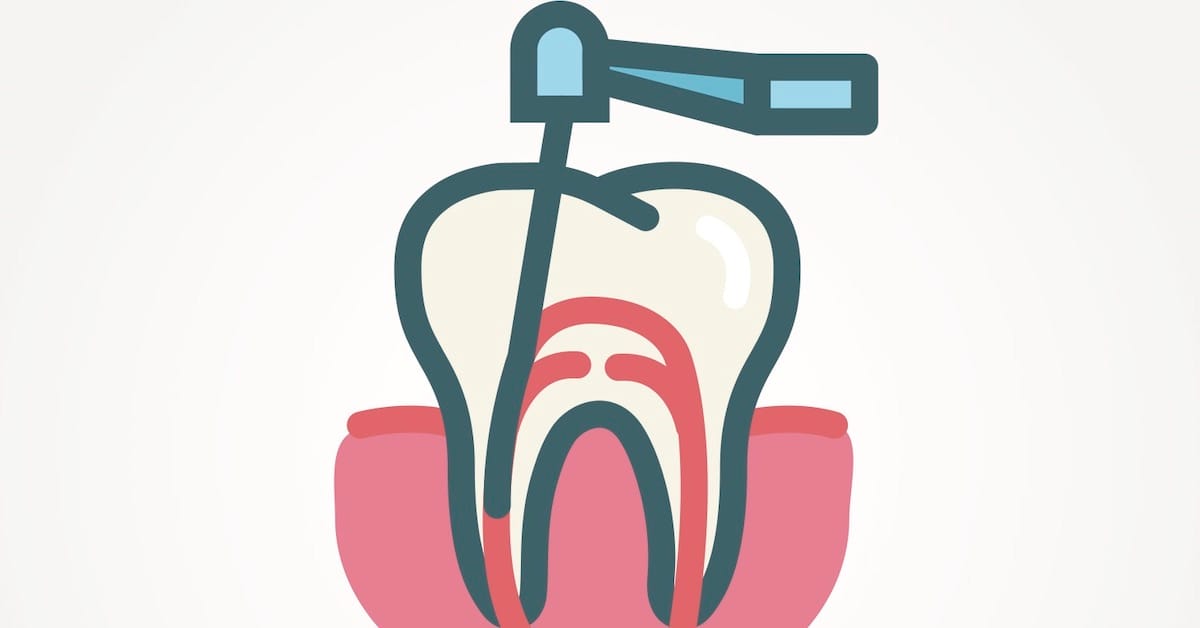
It's estimated that dentists perform approximately 15 million root canals a year. The following information can help you better understand what occurs during the procedure:
Your tooth will have the same function after your root canal, only without the severe pain and discomfort.
For the first couple of days after your root canal treatment, your tooth may feel slightly sore. This is normal, though, and the pain will go away after a few days. You can take over-the-counter analgesics to alleviate any pain or discomfort. If you develop swelling, pain, or severe bleeding, let your dentist know right away because this can indicate a serious complication.
As with all types of dental procedures, it's important to follow the aftercare instructions provided by your dentist. They're designed to promote healing and prevent complications. Follow these guidelines to help you recover quickly from your root canal procedure:
Don't wait to schedule an appointment with your dentist if you're suffering from tooth pain. It's important to treat the infected tooth before it causes severe damage. If you wait to receive root canal treatment, it's possible for the infection to spread to other areas.