We accept
Medicare Advantage plans to fit your dental needs.
Medicare Advantage plans to fit your dental needs.

When you don't practice effective oral hygiene, plaque builds up on your teeth. Plaque is a sticky film containing saliva, bits of food and bacteria. The bacteria in plaque takes the simple carbohydrates and sugars you consume and turns them into an acid that eventually erodes tooth enamel. Cavities usually form in hard to reach places, like at the gumline, between teeth and on the tops of molars.
Early tooth decay does not typically cause any symptoms. Early cavities occur when the acids create tiny holes in the tooth's enamel. Regular dental checkups every six months give your dentist a chance to find small cavities before they can cause you any discomfort. If you don't see your dentist on a regular basis, a cavity can grow larger, resulting in pain or tooth sensitivity. The next layer of your tooth, the dentin, has tiny holes connecting it to the nerves. You might feel a twinge when decay reaches the dentin and you consume hot or cold foods and beverages. Eventually, the decay can spread to the tooth's pulp, resulting in severe pain, an infection that can spread or even tooth loss.
With cavities it is important o understand that while they can be painful and are common among the population, there are plenty of ways to protect yourself from getting one in the first place. In this article, we’ll cover the ways you an protect your teeth and ensure you have a great smile and health teeth for many years!
Here are six easy ways to prevent cavities:
Your dentist will look for the least invasive method to treat your cavity.
Fillings - To treat a cavity, your dentist will numb the area and then remove all of the decay from hole. To keep plaque from collecting in the cavity, the dentist will have to use a filling material. Often you can choose from a metal filling or a tooth-colored one made from composite resin.
Dental Crowns - Crowns restore teeth which were weakened by a large filling or root canal procedure. Dental crowns are custom made caps that completely cover a tooth on all sides, replacing the enamel layer. Most crowns are made from porcelain or porcelain-over-metal, so they closely resemble the surrounding teeth in size, shape, and color. Stainless steel and gold crowns are also available.
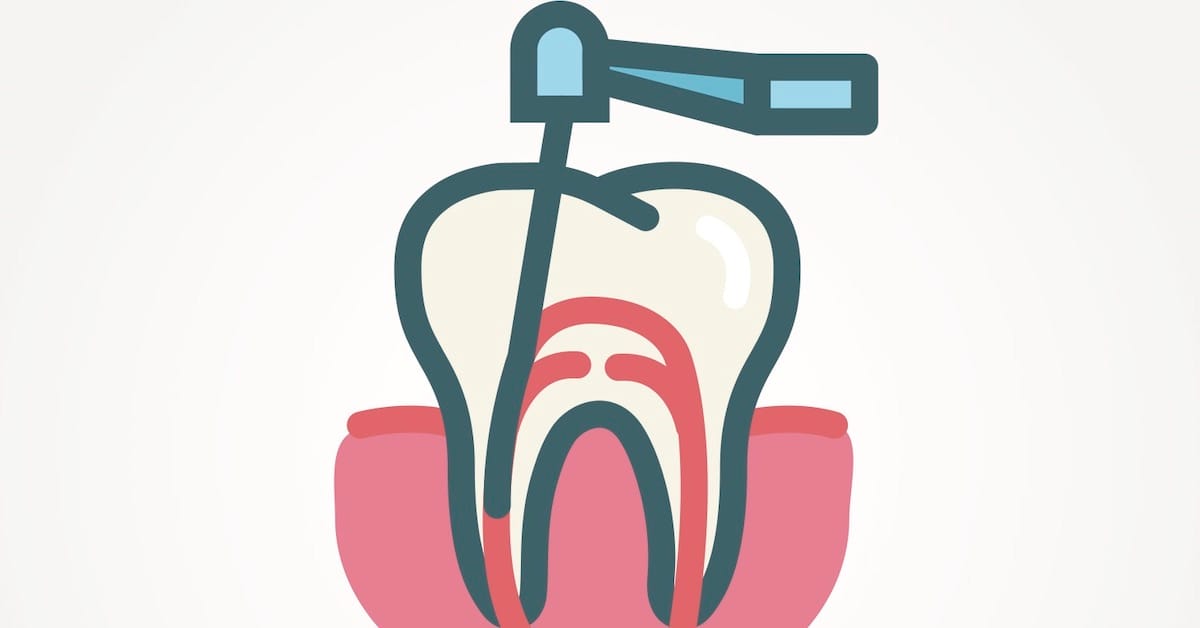
Root Canal Therapy - If you have a tooth with extensive day that has reached the pulp in the tooth, it is very likely you will need a root canal. When the decay reaches the pulp it causes an infection which can be very painful. Your dentist will remove the pulp, and then place a temporary filling in the space. Afterward, you will have to go back and have a crown placed as the tooth will crack or break without one.
Soon, dentists may have an alternative to fillings; stem cells. While research is still ongoing, it appears dental professionals will be able to regenerate teeth naturally, so they are fully restored. Stem cells will also be able to repair a tooth's pulp, eliminating the need for root canals.
To help prevent cavities, dentists may start using a fluorescent light tool that highlights decay before it can spread or create a cavity. This would only be useful if you visit your dentist regularly for checkups. Once a cavity is formed, there may be the potential to apply a filling that secretes fluoride to the surrounding teeth. The purpose of this is to protect the teeth close to the cavity.
While new advancements in technology might be interesting and help make the repair process easier, it’s better to practice preventative measures. We shouldn't depend on future treatments as it may be awhile before they are in widespread use. Instead, preventing cavities is much better. If you're careful, you won't need any type of cavity treatment in the future.